The desk
A wire built for the paper trail
All America Wire is a small national newsroom that covers government the slow way: by reading what institutions publish, then checking it against what they do.
01 / Purpose
Why the wire exists
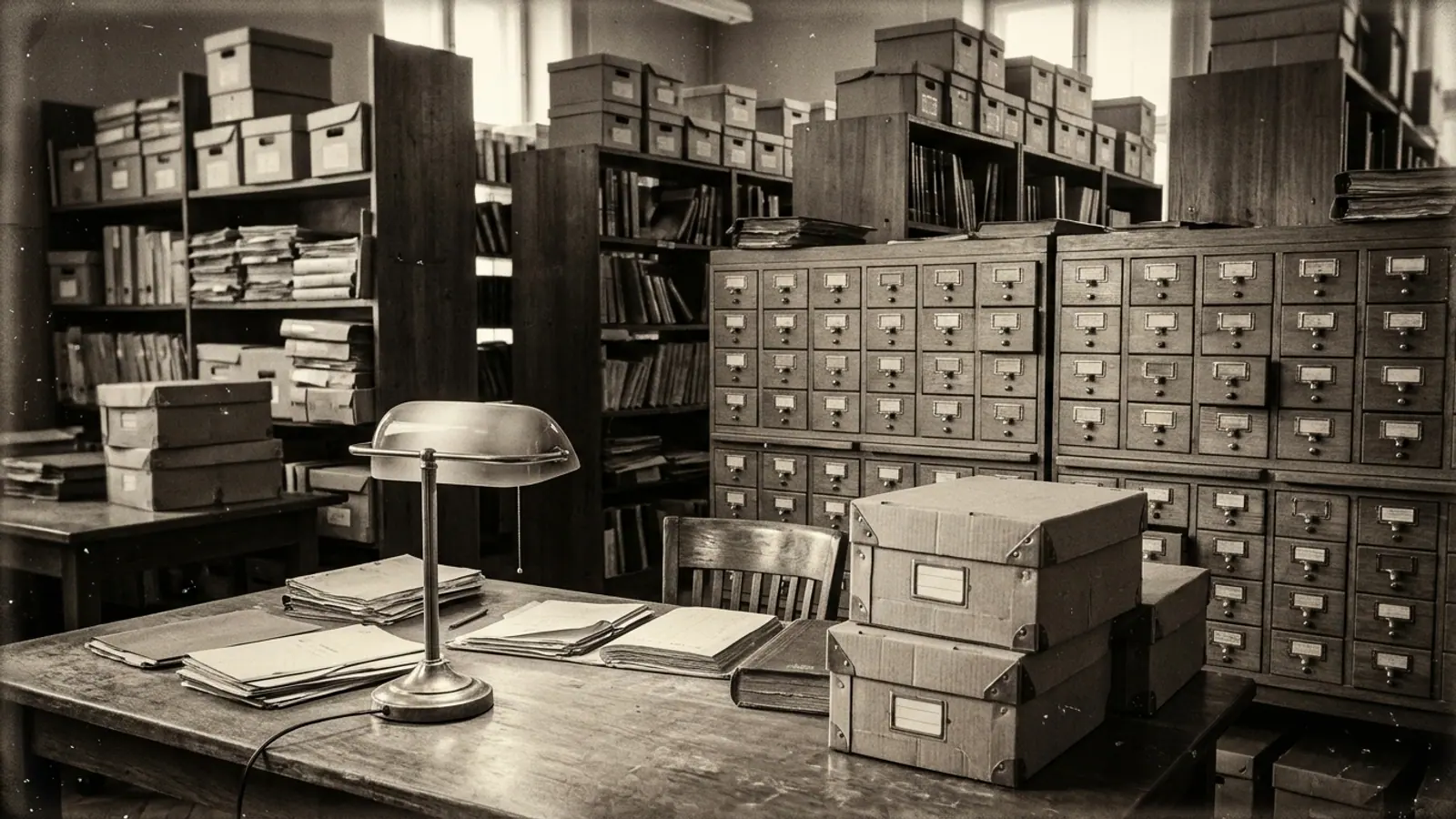
National coverage has a habit of arriving late and explaining itself twice. A rule is proposed, a hearing is held, a vote is taken, and the reader receives the argument about the vote without the document that caused it. The wire was built to reverse that order. The document comes first, the filing describes it plainly, and the argument is left where it belongs: with the people making it.
That sounds austere, and some of it is. But plain is not the same as bloodless. A budget resolution is a statement about who pays for what. A docket entry can end a program that thousands of families depend on. A state bill that fails in committee is a decision with a winner and a loser, even though nothing was signed. The desk writes about those things directly, without the theatrical vocabulary that usually surrounds them.
The wire is also deliberately small. It does not try to cover everything. It covers five beats where public records are rich, machine-readable and routinely ignored: the budget, the courts, the labor market, the statehouses, and the regulatory agencies. If a story has no document behind it, the desk generally does not file it, and it says so rather than dressing up a hunch.
02 / Staff & limits
Who actually files
The desk is four editors and a rotating set of stringers, most of them former statehouse or courthouse reporters who kept their sources and lost their daily deadline. Every filing carries the desk that produced it; bylines appear when a reporter owns the reporting end to end.
- Documents editor
- Reads bill text, dockets and rule notices before assignment
- Desk editors
- One per beat; owns the sourcing standard for that beat
- Staff correspondents
- Washington and four regional bureaus
- Stringers
- Eleven states, session-dependent contracts
- Data desk
- Rebuilds every published table from its source file
The limits
What the wire will not do
- 01Publish a claim that rests only on an unnamed characterization.
- 02Quote a summary when the underlying document is available.
- 03Treat a press release as a finding, or a spokesperson as a source of fact.
- 04Run a poll without the question wording, the sample and the sponsor.
- 05Delete a filing that turns out to be wrong. Corrections stay visible.
03 / Independence
Who pays for this
The wire takes no sponsored content, no advertorial and no money from political committees. Revenue comes from reader subscriptions and from syndication of the filing feed to newsrooms that credit the wire. No outside funder has a seat at the editorial table, and no story has been killed at a funder’s request; if that ever happened, the desk would be obliged to report it on this page.
The distinction matters more than it used to. A wire that depends on access tends to describe institutions the way institutions describe themselves. A wire that depends on readers can afford to say that a bill is small, a hearing was empty, or a program is running out of money, and then show the page that proves it.
The wire so far
- 2019
- Founded as a two-person statehouse letter covering three capitals
- 2021
- Court desk added after the first year of remote arguments
- 2023
- Documents editor hired; every filing begins with a primary source
- 2025
- State desk network reaches eleven states on session contracts
- 2026
- National edition set as a standing front page, filed continuously
The desk answers its own mail. If something on this page does not match what you see on the wire, write to the desk and the discrepancy gets logged like any other correction.
Contact the desk